

Railroad Lawsuits For Asthma and Silicosis
Railroad workers often have to deal with dangerous exposures while on the job. The exposures could cause serious diseases like cancer and the silicosis. It could take years for these illnesses to develop.
Black lung disease or pneumoconiosis has affected thousands of coal miners. Many of them are fighting for benefits.
Asthma
Diesel fumes are a typical exposure for railroad workers and they can cause serious health problems. Poor ventilation, soot accumulation inside train cabs and working alongside locomotives may increase the risk of a worker suffering from respiratory or asthma-related conditions. Even a mild case of asthma can affect a railroad worker's ability to complete certain tasks. A severe case of asthma can render a once reliable railroad worker unfit to work at all. With Norfolk Southern Railway lawsuit of a New York railroad asthma lawyer, current and former railway workers who suffer from these conditions could be eligible for financial recovery through an effective FELA claim.
FELA claims allow plaintiffs to pursue compensation from the government for any negative impact their asthma has on their lives, such as the costs associated with medications or lost wages, as well as other economic loss. To be successful in a FELA claim, a worker must prove that their injuries were the result of an occupational exposure.
Residents living in the vicinity of the CSX railyard in Lawrence County, Pennsylvania filed a FELA lawsuit alleging that a large amount of coal dust is emitted out of the plant and covers cars and homes. According to the lawsuit, the dust can cause irritation to residents' lungs and eyes. The lawsuit also claims CSX releases and burns cancer-causing vinyl chloride which could pollute the water supply in the local area.
Cancer
Cancer can be caused by many ways, including genetics or lifestyle choices. But it can be caused by exposure to certain harmful chemicals. As an example, exposure to vinyl chloride (a chemical that is classified as carcinogen by the Environmental Protection Agency) can increase the risk of developing liver or other organ damage. In other words, workers working in factories that produce vinyl products or other chemicals may be exposed to toxic substances that are released into the air during the production process or during transportation.
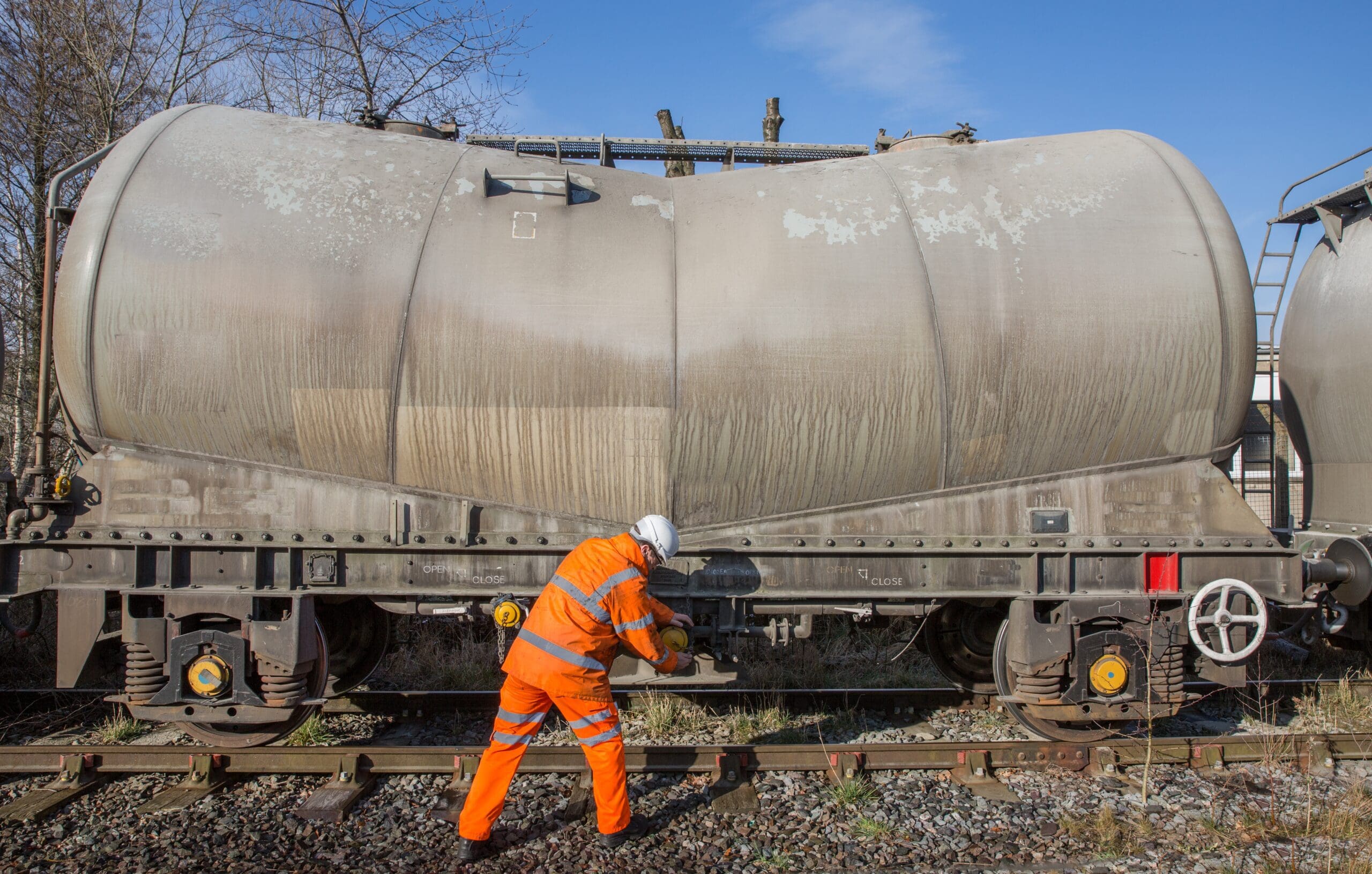
Asbestos is another cancer-causing substance. It is found in rail cars, as well as numerous other products. Exposure to asbestos can cause mesothelioma which is a type lung cancer that can be fatal. If you develop mesothelioma as the result of asbestos exposure, consult an knowledgeable railroad lawyer.
A retired railroad worker who was disabled by a lung disease known as black lung could be eligible for disability benefits, a court has declared. The 4th U.S. Circuit Court of Appeals upheld the findings of an administrative law judge as well as the Benefits Review Board that Olen Roberson deserved benefits that are usually paid to coal miners who suffer from the same illness. Roberson's job required him to connect and uncouple high-pressure air hoses which were connected to coal cars. This caused coal dust to be expelled into the air.
Injuries
The railroad industry is a hazard one. It could cause unexpected injuries or a cumulative harm. Railroad employees, unlike most workers, are covered by FELA which is the Federal Employers Liability act, which was passed in 1908. This enables employees to sue for compensation in the event that they suffer an accident on the job.
Rail lines that cross roads have to be maintained in a safe state. Railroads also need to inform drivers and pedestrians of the presence of railroad tracks as well as cars. They must also maintain the highest level of security for those who enter or traverses their railroad property.
Train yards, coal mines, and other industrial sites produce toxic dust and fumes that can cause irritation or permanent damage to the lungs, nose or ear, as well as the throat of workers. These hazardous conditions can be caused by machinery that is not properly maintained or the combustion of silica, coal, the hoppers of locomotives and asbestos on older trains.
Exposure to carcinogens, such as benzene, chemical solvents and welding fumes can also cause cancer. Certain railroad workers have developed occupational illnesses that are difficult to identify and treat. If a railway worker suffers an illness or disease related to their job it is recommended that they consult a skilled railroad injury attorney to learn more about their legal options.
Claims for FELA
Railroad workers are highly skilled and are assigned specific jobs which can result in severe injuries. Injuries that are caused through the negligence of a railroad company could render it impossible to return to work and cause huge medical bills. In these instances railroad workers injured by negligence are entitled to compensation under the Federal Employees Liability Act (FELA).
The FELA statute of limitations is three years from the date of the injury or death. It takes time to fully analyze and recognize an injury. If a person does not pursue legal action within the three-year timeframe the case is likely to be dismissed by the court.
In a FELA suit, the burden of proving negligence by railroads is less complicated than the traditional personal injury case. This is because a worker must prove that negligence on the part of the railroad contributed to the injuries. However, railroad companies often argue that they are not accountable for the injuries they cause by claiming comparative negligence.
Get in touch with an experienced Chicago railroad injury lawyer to protect a railroad employee's FELA claim. A seasoned lawyer will begin investigation right away. This usually involves taking photos of the accident scene and interviewing witnesses. It could also involve inspecting the tools used in the injury. As time goes by the process of establishing an FELA case becomes more difficult as witnesses might forget or evidence may disappear.